Plastic   |   Metal   |   WEEE   |   Paper   |   C&D   |   Battery   |   Food Waste   |   Textile   |   Rubber and Tyre


Interview with Kiran Dighavkar : Inside Mumbai’s push to tackle C&D and solid waste at scale

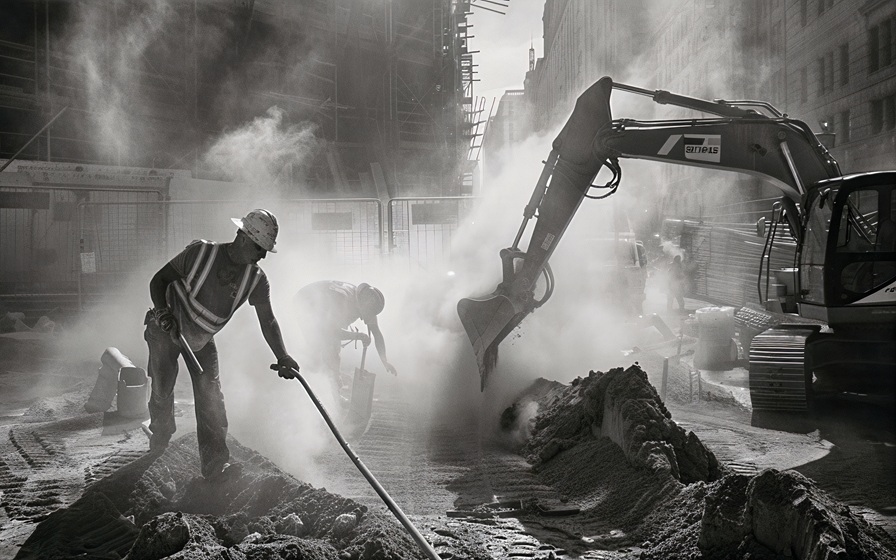
C&D waste is a root cause of multiple issues in Mumbai, including dust pollution, mangrove destruction, silting of stormwater drains, choking of drainage systems, flooding, and encroachments where illegal hutments are built using C&D debris.


Filed under
C&D
 
February 16 2026 Mayuri Phadnis
 
Share this story


Get the latest news and market insights delivered to your inbox.


With Indian cities facing mounting pressure from rapid urbanisation and infrastructure growth, managing construction and demolition (C&D) waste and municipal solid waste has become a critical governance challenge. Mumbai, one of the country’s most densely populated metros, is attempting to address this through new processing plants, waste-to-energy projects, biomining of legacy dumps, and expanded recovery systems. Kiran Dighavkar, Deputy Municipal Commissioner of the solid waste management department at the Brihanmumbai Municipal Corporation (BMC), discusses with Mayuri Phadnis the scale of the challenge, ongoing initiatives, technology adoption, and the pathway toward landfill reduction and resource recovery. 

Q: We can start with your new construction and demolition (C&D) waste initiatives. How significant is the projected impact on reducing landfill burden? 

A: Construction and demolition waste is one of the major issues in India right now. The scale of development taking place across the country — especially in Mumbai — including infrastructure projects, redevelopment, repairs, and housing projects, has led to very high C&D waste generation. In many cities, the volume of C&D waste generated is comparable to municipal solid waste. 

In Mumbai specifically, municipal waste generation is over 7000 tons per day, and C&D waste generation is of a similar magnitude. This is huge. Just as garbage collection, transportation, and processing are managed through dedicated services by the BMC, we have created similar dedicated systems for C&D waste. 

C&D waste is a root cause of multiple issues, including dust pollution, mangrove destruction, silting of stormwater drains, choking of drainage systems, flooding, and encroachments where illegal hutments are built using C&D debris. By properly collecting, transporting, and processing C&D waste, we can address several of these problems simultaneously. The government has also enacted the C&D Waste Management Rules in 2024, which now need effective implementation. 

Q: Beyond creating a dedicated C&D waste collection and processing service, what additional initiatives is BMC currently undertaking in this area? 

A: At present, we have two processing plants with a combined capacity of about 1200 tons per day. We follow an end-to-end service model in which C&D waste is collected at source, transported by BMC, and processed at dedicated C&D waste plants. We are also planning to augment plant capacities going forward. 

Q: What kind of value recovery or valorisation is being achieved through C&D waste processing plants today? 

A: Government rules now prescribe that 20% of C&D waste must be processed and reused. An EPR mandate has also been introduced for this category of waste. The plants collect C&D waste from the process, and sell the recovered material in the market for use in construction as raw material. 

Q: How would you assess the current status of solid waste management in Mumbai in comparison to the targets set under the Solid Waste Management Rules? 

A: Every system requires improvement. I cannot say that Mumbai has perfect solid waste management — we have our own limitations. We are still using bioreactor technology at Deonar and Kanjurmarg for waste processing. However, we aim to move toward waste-to-energy systems. 

We are in the process of setting up a 600-ton-per-day waste-to-energy plant that will generate about eight megawatts of electricity and is likely to become operational in the next three to four months. We are also planning a waste-to-energy plant at the Kanjurmarg landfill, where a large portion of Mumbai’s waste can be converted into electricity. 

In addition, we are planning a bio-CNG plant where aggregated wet waste — including hotel, kitchen, and canteen waste — will be collected and processed to generate compressed biogas for sale in the market. 

Q: Could you share details on your plans to process legacy waste?  

A:  We are making good progress on legacy waste. At Mulund, about 80% of the legacy waste remediation work has been completed. We have already closed the Gorai landfill. Biomining has also begun at Deonar, which is one of the largest legacy waste remediation projects. 

Currently, about 1.85crore metric of waste is lying at the Deonar landfill, which was created in the 1930s and has received waste continuously since then. Our target is to remove this waste through biomining. Around 110 hectors of land will be reclaimed through this process. The project timeline is three years. Work has already started, and we are hopeful of completing it within that period. 

Q: What is the technical process being followed for biomining and legacy landfill reclamation? 

A: We excavate the waste, segregate the plastic fraction, and separate the remaining material, which largely consists of sand and inert matter. The plastic is sent to cement kilns and factories for co-processing. The inert material, such as sand and debris, is used for recycling, landfilling, and related applications. 

Q: Despite awareness campaigns, segregation at source remains a challenge. Why is this still the case, and what needs to change? 

A: Based on my experience of working in solid waste management for the last 10 years, behavioral issues are among the biggest challenges across India, including Mumbai. Civic discipline is critical. While many people follow segregation rules, many still struggle with compliance. It becomes discouraging when only a few follow the rules and their efforts are not supported system-wide. Segregation gaps still exist, and we need a major behavioral shift and consistent discipline among citizens. 

Q: In percentage terms, how much of Mumbai’s solid waste is currently processed scientifically, and how much still goes to landfills? 

A: Currently, around 7,000 to 8,000 tons of waste is generated daily. About 600 tons are sent to landfills. Around 6600 tons of waste is processed at Kanjurmarg by BLF.

Q: What specific initiatives are planned to reverse the trend of high landfill disposal and increase processing rates? 

A: We are focusing on waste-to-energy and bio-CNG projects. Bringing waste processing into a commercial model may help promote segregation and improve recovery. We are moving in that direction. 

Q: What role can advanced technologies such as AI-enabled sorting play in improving dry waste segregation and recycling outcomes? 

A: We need to modernize our dry waste segregation and material recovery facilities. With better technology, including AI-enabled sorting, dry waste can be segregated more precisely so that each fraction can be recycled and reused in the most effective way. 

Q: How is Extended Producer Responsibility (EPR) strengthening waste management systems on the ground? 

A: It is still early, and there is a long way to go, but it is a good start. Effective plastic waste collection continues to be an important challenge but EPR has introduced commercial value into waste management, and that can help drive better collection and processing systems. 

Q: What is a realistic pathway toward achieving landfill-free cities? 

A: Effective waste management, maximum reuse, and full processing of waste into energy are key. Waste-to-energy can mean electricity, bio-CNG, compost, or other usable outputs. The goal should be to process waste completely and convert it into usable energy or resources. Waste is a gold mine — it is a resource. The day we start treating waste as a resource, things will begin to change.