.jpg (1).jpg)

 Search
Top Stories

Waste and recycling leaders recognised at the 8th edition of the MEWAR Awards
The Middle East Waste & Recycling Awards 2026 recognized individuals and organisations across 20 categories spanning waste management, recycling, resource recovery, technology and sustainability. Read more...
 1.webp "GORICA: LEADING THE COMPLETE WASTE MANAGEMENT SOLUTION")
GORICA: LEADING THE COMPLETE WASTE MANAGEMENT SOLUTION
Three decades of regional experience, local manufacturing and partnerships with worldwide technology leaders enable GORICA to deliver customized, end-to-end waste-management solutions across the MEA region. Read more...

Exclusive
-
 Interview with Kiran Dighavkar : Inside Mumbai’s push to tackle C&D and solid waste at scale
C&D
-
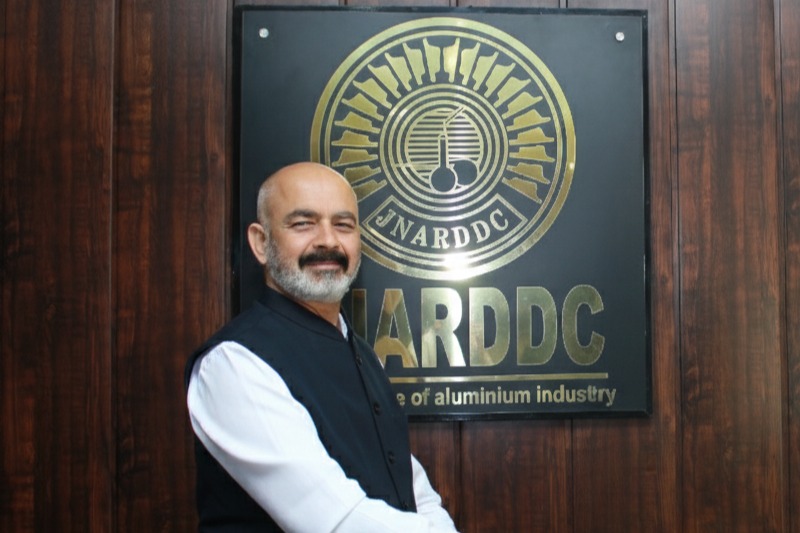 India’s critical mineral recycling capacity to exceed NCMM targets: JNARDDC
Metal
-
 A lowdown on Carbon Border Adjustment Mechanism (CBAM)
Metal
-
 How Saudi Arabia is tackling e-waste and business leaders are seizing opportunity
Waste Management
Latest News
-

BASF India, along with Green Worms and IPUA, inaugurates a polyurethane waste mechanical recycling facility in Kerala
The CSR initiative aims to establish a structured ecosystem for the collection, segregation, recycling, and repurposing of post-industrial polyurethane waste from the footwear industry.
Waste Management -

Tadweer Group reaches 50% milestone in transformation of Al Ain Materials Recovery Facility
Once operational, the upgraded facility will have the capacity to process 400,000 tonnes of municipal solid waste annually and is expected to divert approximately 60% of Al Ain’s municipal solid waste from landfill each year.
-

Emirates Biotech, United Arab Emirates University launch integrated organic-waste valorization pilot plant
The partnership was officially launched at UAE University in Al Ain in the presence of key value chain stakeholders, including the Emirates Environmental Group, Hotpack, AW Rostamani Group (VerraPak), Tadweer Group, University of Sharjah, and Pacogreen.
Food Waste -

CPA, MCBG sign MoU to advance dialogue on packaging circularity
Through the partnership, the two organizations will exchange international best practices and support the UAE’s transition toward circular economy.
Recycling -

Dubai Police takes action against 18 suspects over illegal waste disposal
The cases were uncovered during the first half of 2026 by the Environmental Crimes Section of Dubai Police’s Economic Crimes Department, in cooperation with Dubai Municipality and the Dubai Environment and Climate Change Authority.
Legislation

India
-
 What happens to food after we stop calling it food?
Food Waste
-
 Recycling industry calls for elimination of PSIC requirement as scrap imports face mounting disruption
Metal
-
 India approves ₹23,731 crore GOBARdhan scheme to scale up compressed biogas production
 -
 Attero opens access to UNFCCC-verified e-waste carbon credits
WEEE
-
 Mumbai corporation to roll out integrated digital portal for end-to-end C&D waste monitoring
C&D
-
 ITC completes acquisition of Century Pulp and Paper from Aditya Birla
Paper
-
 Why recycling is essential to critical mineral security
By Rohan GuptaWEEE
-
 India–UK CETA: What it means for India's recycling sector
Recycling
Expert Talk
.webp "Does the region’s waste collection system serve the national agenda for waste diversion and the circular economy?")
Waste collection is not the end of a cleanliness service and but the beginning of resource recovery.


.webp "Metals Recycling Confex (MRC) 2025 | Event Highlights")